Coaching falls apart in most support teams because it only happens when there is free time. Instead of waiting for a quiet queue, build a sustainable coaching cadence.
Coaching falls apart the same way in almost every support team I work with. It's not that leaders don't care about developing their people. It's that coaching only happens when there's time, and there's rarely time. That's backwards. Coaching shouldn't be the thing that happens when the queue is quiet. It should be the thing that keeps the queue manageable in the first place.
#Why reactive coaching doesn't stick
Most coaching I see follows the same pattern: something goes wrong, a customer escalates, a QA score drops, and only then does a leader sit down with the agent involved. That conversation might be useful, but it's tied to an event, not a schedule. The weeks nothing goes wrong are the weeks coaching quietly disappears, and those are usually the weeks a leader is busiest anyway. The result is a team that only hears from their supervisor when something's already gone wrong, which teaches agents to see coaching as a correction, not a resource.
#How to build a coaching cadence that survives busy weeks
The fix isn't finding more time. It's tying coaching to something that already exists on a schedule: QA scores. Here's the structure I build with clients:
- Weekly 1:1s, same time, same length, every week. Not "whenever there's a gap in the calendar." A recurring slot that doesn't get cancelled just because the queue is busy.
- Every 1:1 opens with the score, not the vibe. "Here's your QA score this week, here's the pattern I noticed" is a different conversation than "how are you feeling about your calls."
- One specific thing to work on, not a general note to improve. A supervisor who says "work on your tone" gives an agent nothing to actually do differently. A supervisor who says "here are two calls where you moved to a solution before confirming the actual problem, let's practice slowing that down" gives them something to change.
- A record that carries forward. Each week references what was worked on the week before, so the agent can see progress instead of feeling like every 1:1 starts from zero.
Is your CX operation built for scale?
Take the free 5-minute assessment to find out where you stand and what to fix first.
#Why QA scores anchor the coaching cadence
Shrinkage tells you if someone showed up. AHT tells you how fast they worked. Neither tells you whether the actual quality of the interaction is improving. QA scoring is the one number built specifically to answer that question. If you don't have a QA program yet, this is usually where I'd point someone to start, before building out the coaching cadence around it. Trying to coach quality without measuring quality is coaching in the dark, or coaching by vibes, which is the same thing with worse lighting.
#What changes once the coaching cadence exists
The biggest shift isn't in any single conversation. It's that coaching stops being optional. A supervisor who's buried in escalations still has the 1:1 on the calendar, still has a score to reference, still has a specific thing to work through. That's also what makes coaching scalable past one person. A supervisor who's coaching from a system, not from memory or instinct, is a supervisor who can teach that same system to a team lead underneath them.
#Where the coaching cadence breaks down
Two things kill this cadence fastest:
- Skipping the 1:1 "just this once." Once it's optional, it's gone.
- Making the conversation about the score instead of the pattern. A number without context turns coaching into a report card.
#How to start your coaching cadence this week
Pick one team, one supervisor, and one recurring day and time. Pull last week's QA scores before the 1:1, not during it. Walk in with one pattern to discuss and one specific thing to practice. Do that four times in a row, on schedule, and you'll have a coaching cadence that survives the weeks you're too busy to think about coaching at all, which is exactly when it matters most. If you want a second opinion on your QA scoring before you build a coaching cadence around it, book a free ops audit and I'll take a look with you, no judgment about your current spreadsheet situation.
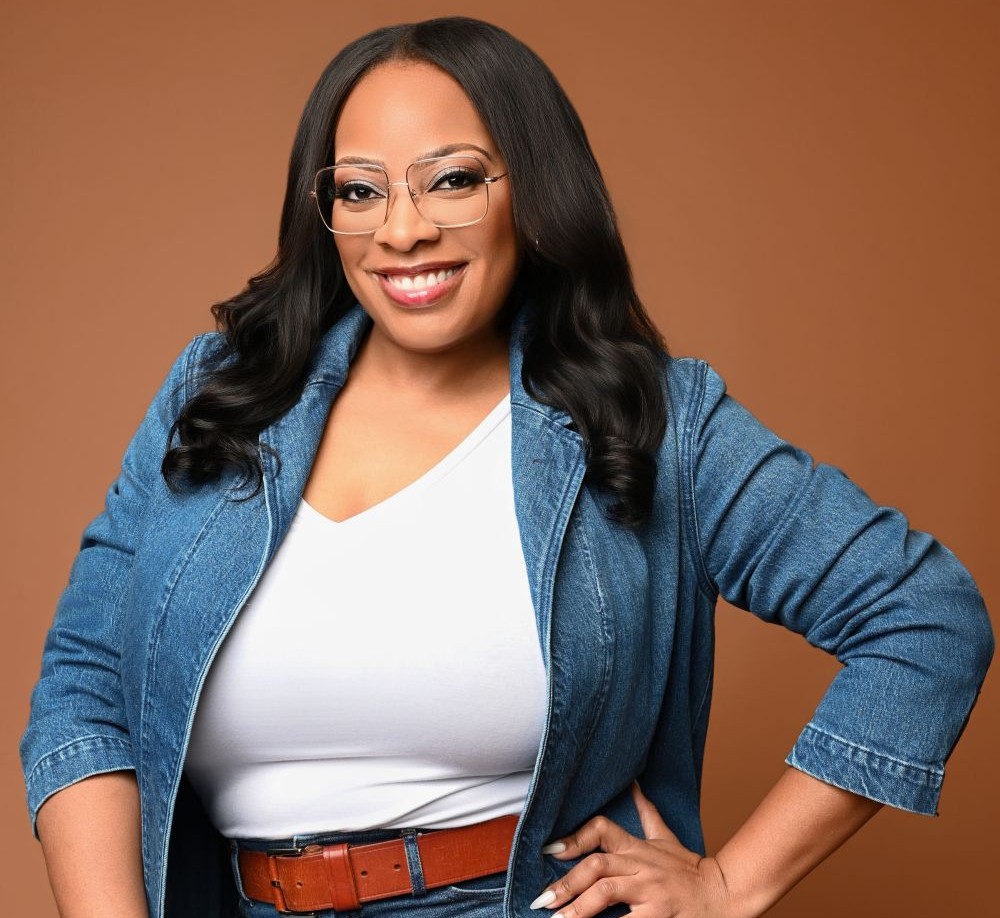
Ty Givens
Founder & CEO, CX Collective · 25+ years in CX & Operations Leadership
Ty Givens helps high-growth companies build the systems, teams, and strategies that make great customer experience possible at scale.
Ready to transform your CX operation?
Let's talk about what a better system could look like for your team.
Continue Reading